Things to Do in Sapa
Rice terraces carved by clouds, where Hmong grandmothers still outwalk hikers
Top Things to Do in Sapa
Find activities and tours you'll actually want to do. Book through our partners -- no booking fees.


Plan Your Trip
Essential guides for timing and budgeting
Climate Guide
Best times to visit based on weather and events
View guide →Day Trips
The best excursions and nearby destinations worth the journey
Explore day trips →Where to Stay
Best neighbourhoods, hotel picks, and booking tips
Find hotels →Travel Insurance
What's required, what coverage matters, and how to get a quote
Read guide →What to Pack
Climate-specific gear, essentials, and what to leave at home
See packing list →When Should You Visit Sapa?
Tap a month for weather, crowds, and highlights
View full year-round climate guide →Explore Sapa

Your Guide to Sapa
About Sapa
Sapa starts at 1,500 meters and climbs. The morning mist rolls up the Muong Hoa Valley like slow-motion surf, carrying the smell of wood-smoke from Black Hmong kitchens and the distant clang of buffalo bells. This old French hill station splits into two worlds: the concrete grid of Sapa town proper, where locals drink thick Vietnamese coffee at Cafe in the Clouds for 25,000 VND ($1) and tourists negotiate North Face knock-offs on Cau May Street, and the stone-housed villages tumbling down the slopes toward Cat Cat Waterfall, where grandmothers in indigo hemp skirts still carry babies on their backs while walking 10-kilometer trails tourists pay guides to finish.
The rice terraces above Ta Van village catch and hold the light differently every hour: silver at dawn when the fog lifts, emerald after rain, burnished gold at harvest. Down in the valley, the Hmong women selling embroidered bags will follow you for kilometers with practiced persistence, their voices rising over the clicking of their sewing scissors.
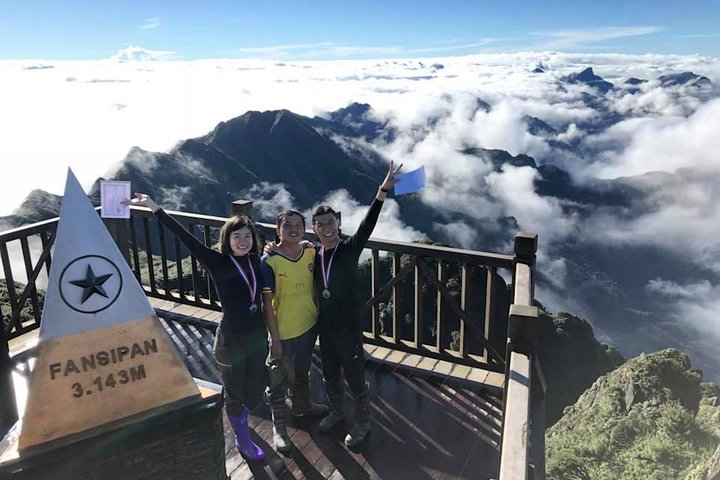
The cable car to Fansipan's summit costs 750,000 VND ($32), more than most Hmong families see in a month. But delivers views that feel like flying over a green ocean. And yes, it gets cold, properly cold, the kind that makes your breath visible inside homestays where a private room runs 200,000 VND ($8.50) and the family charges another 50,000 VND ($2) for a hot water bottle you won't share with anyone.
The best meal isn't in town but up a muddy track in Lao Chai, where Mrs. Ly serves thang co (horse stew) in a kitchen that smells of cardamom and wood smoke, refusing payment until you eat thirds. That's when you understand why people come here and never quite leave.
Travel Tips
Transportation: The overnight train from Hanoi to Lao Cai costs 350,000-450,000 VND ($15-19) for a soft sleeper, the 5 AM arrival feels brutal but beats the 6-hour mountain road from Hanoi. From Lao Cai station, shared minivans to Sapa town charge 50,000 VND ($2) and leave when full, pre-book through Sapa Express or face getting squeezed into a 16-seat van with 20 people. Once in Sapa, motorbike taxis to Cat Cat village run 30,000-50,000 VND ($1.30-2.10) but negotiate upfront. The walk down is pleasant, the walk back up is murder. Download the Grab app before you arrive, coverage is spotty but works in town, and saves you from Hmong women offering motorbike rides at triple the rate.
Money: Bring cash. ATMs in Sapa town charge 50,000-100,000 VND ($2-4) per withdrawal and often run empty during weekends when Vietnamese tourists flood in. The BIDV ATM on Cau May Street tends to have cash. But limits withdrawals to 2 million VND ($85). Most homestays in villages like Ta Van and Lao Chai only take cash, expect to pay 150,000-250,000 VND ($6.50-11) per night. The prices in dollars but always pay in dong. The exchange rate they'll offer is daylight robbery. Pro tip: exchange money at the gold shops on Fansipan Street, they give better rates than banks and stay open until 9 PM.
Cultural Respect: Never photograph Hmong women without asking, show your camera and they'll either pose for 10,000 VND ($0.40) or turn away. The colorful clothing isn't a costume; it's everyday wear, and treating it like a photo opportunity gets old fast. When invited into a stilt house, remove your shoes at the ladder and accept the corn wine offered, refusing is worse than insulting the host's ancestors. The Sunday Bac Ha market (2 hours away, 100,000 VND/$4.25 minibus) is authentic but increasingly touristy. If you want the real thing, wake up at 5 AM for the Tuesday Coc Ly market where locals buy water buffalo. Learn 'xin chào' (hello) and 'cảm ơn' (thank you), effort matters more than pronunciation here.
Food Safety: Eat at places where locals queue. The street-side pho on Thac Bac Street costs 35,000 VND ($1.50) and turns over a cauldron every 30 minutes, it's safer than the empty tourist restaurant charging 89,000 VND ($3.80). Avoid raw vegetables unless you're at a homestay where they wash with boiled water. The thang co (horse stew) at Mrs. Ly's in Lao Chai village is worth the 40,000 VND ($1.70) and the slight risk, she's been serving it to trekkers for 15 years without incident. Pack Imodium but don't get paranoid. The fermented corn wine served in villages is safer than tap water, and refusing it causes more problems than any stomach bug. The best test: if the chopsticks are stored upright in a communal tin, eat elsewhere.
When to Visit
Sapa's seasons read like different countries. March to May brings the best weather, 18-25°C (64-77°F) days, cool nights around 12°C (54°F), and rice terraces flooding with water that turns the valleys into mirrors. This is also peak season. Hotel prices jump 50-70% and homestays book solid. September to November offers similar temperatures but with golden harvest terraces, photographers' paradise, though you'll share every viewpoint with Chinese tour groups.
June to August is monsoon season: daily downpours, muddy trails, and 70% humidity. Temperatures hover at 20-28°C (68-82°F) but feel hotter. The upside? Prices drop 40% and you'll have the rice terraces to yourself between storms. December to February gets cold, 5-15°C (41-59°F) with occasional frost. This is cloud season.
The valleys disappear into white nothingness for days. Hotels offer 30-50% discounts and provide electric blankets. But hiking becomes dangerous when trails turn to ice. The weekend before Tet (late January/early February) sees massive Vietnamese tourist influx, book months ahead or stay in villages instead. For budget travelers, October offers the sweet spot: harvest colors, thinning crowds, and homestays running 150,000 VND ($6.50) instead of 250,000 VND ($11).
Mid-week visits save another 20-30% on accommodation. Pro timing: visit during a new moon when the stars over the terraces are so bright you can read by them.
More Ways to Experience Sapa
Tours, day trips, and local experiences curated by on-the-ground operators.
Didn't see anything interesting yet?
Browse Viator's full catalog of tours, day trips, food experiences, and private guides in Sapa.
See All Sapa Tours on Viator